
Uchumachi, Bolivia
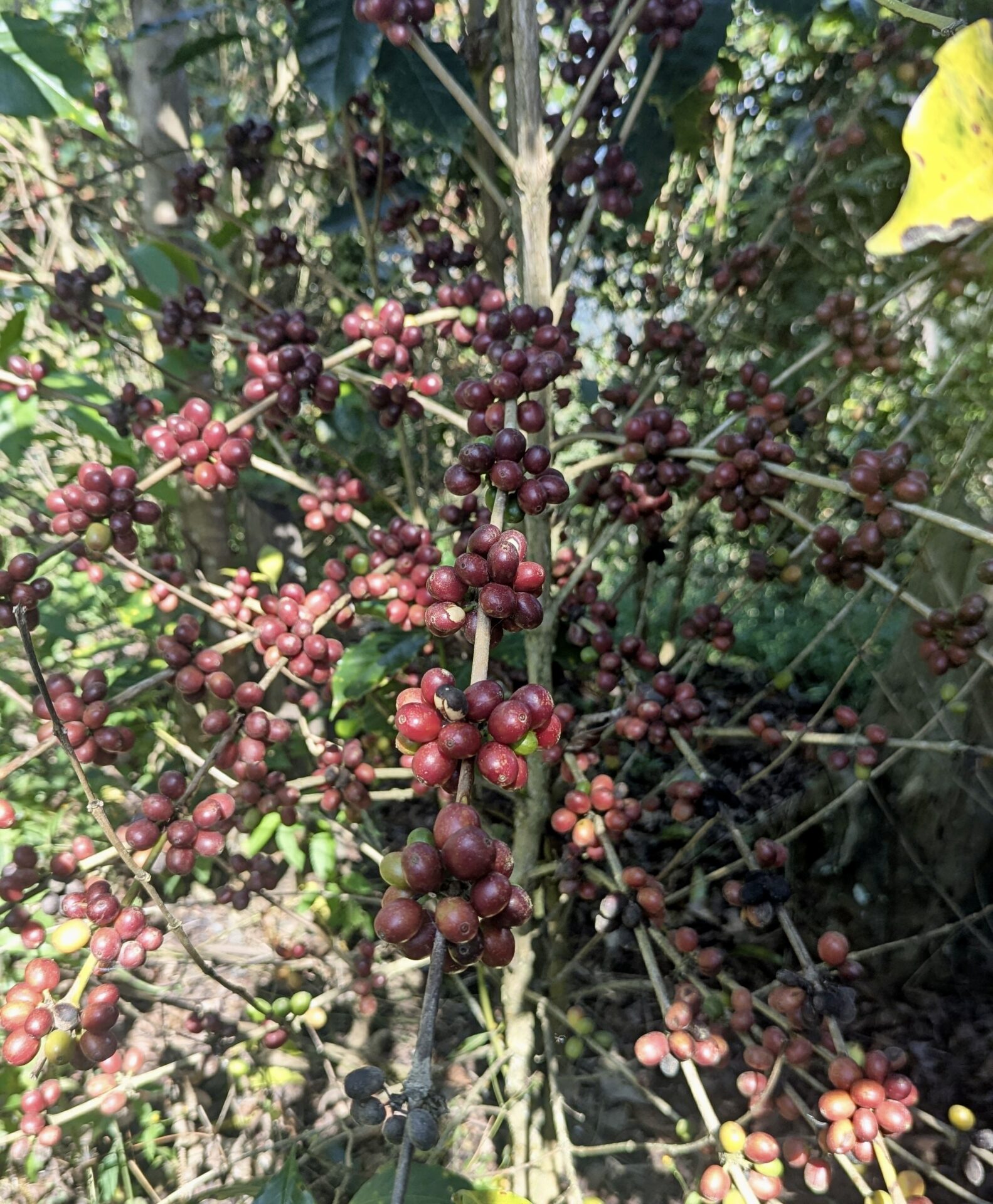
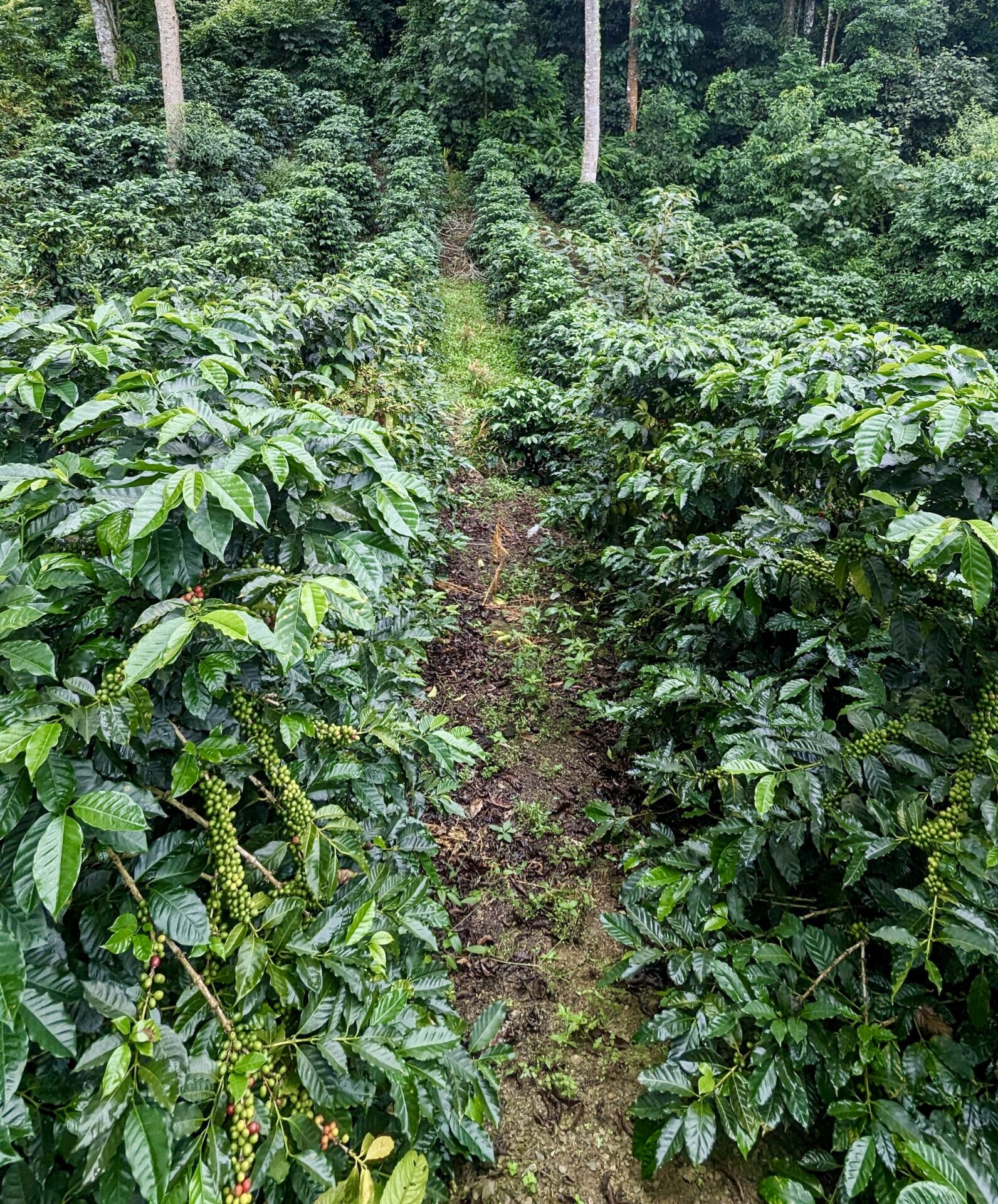
Uchumachi, Bolivia
Elegant, smooth, creamy and sweet with notes of apple crumble, chocolate, caramel and brown sugar, medium to full body and mild acidity with a long aftertaste.
Roast level: medium roast.
It’s delicious in any brewing method.
Price range: 504฿ through 3,160฿
Uchumachi, La Paz
Country: Bolivia
Town: Uchumachi, Caranavi
Region: La Paz
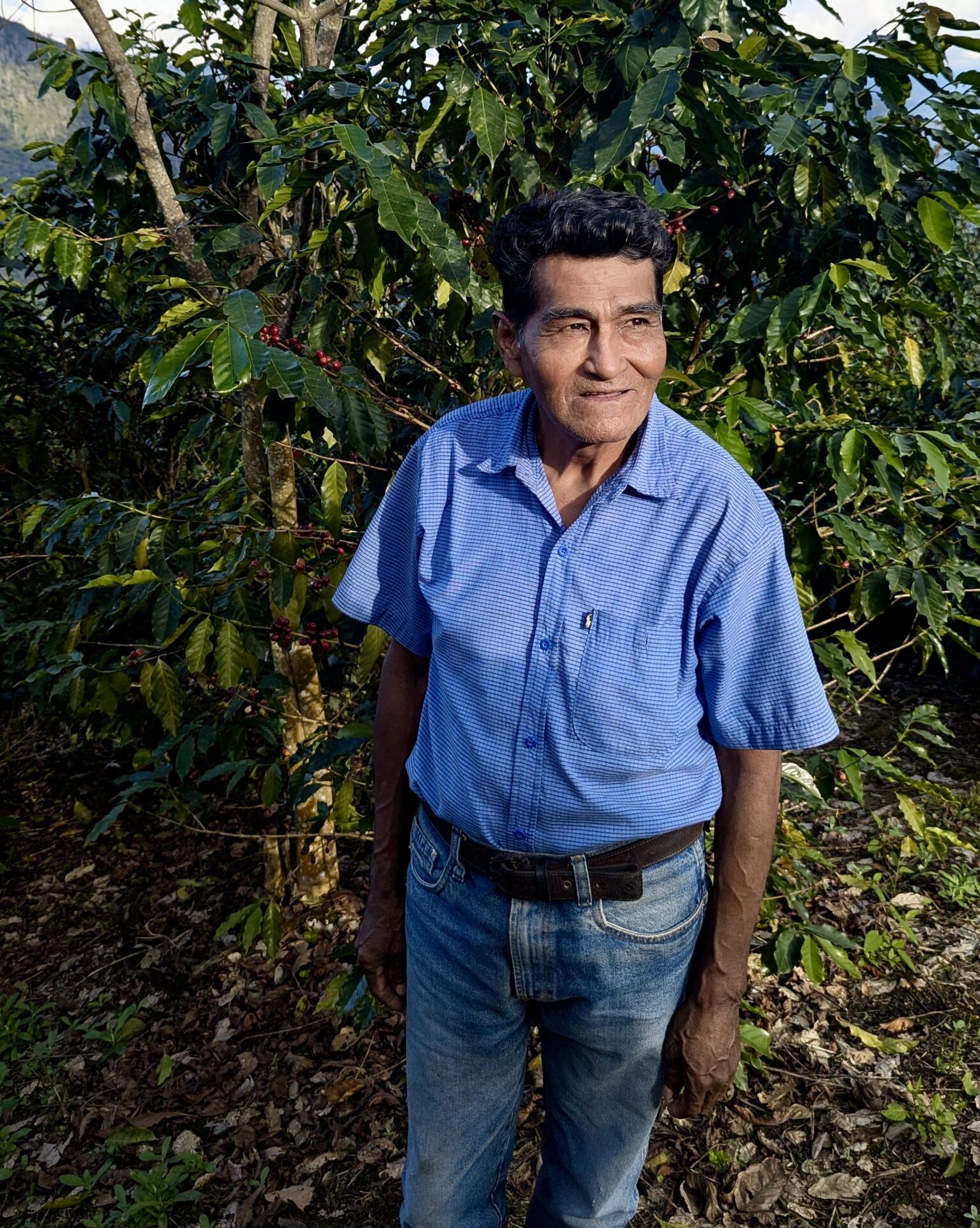
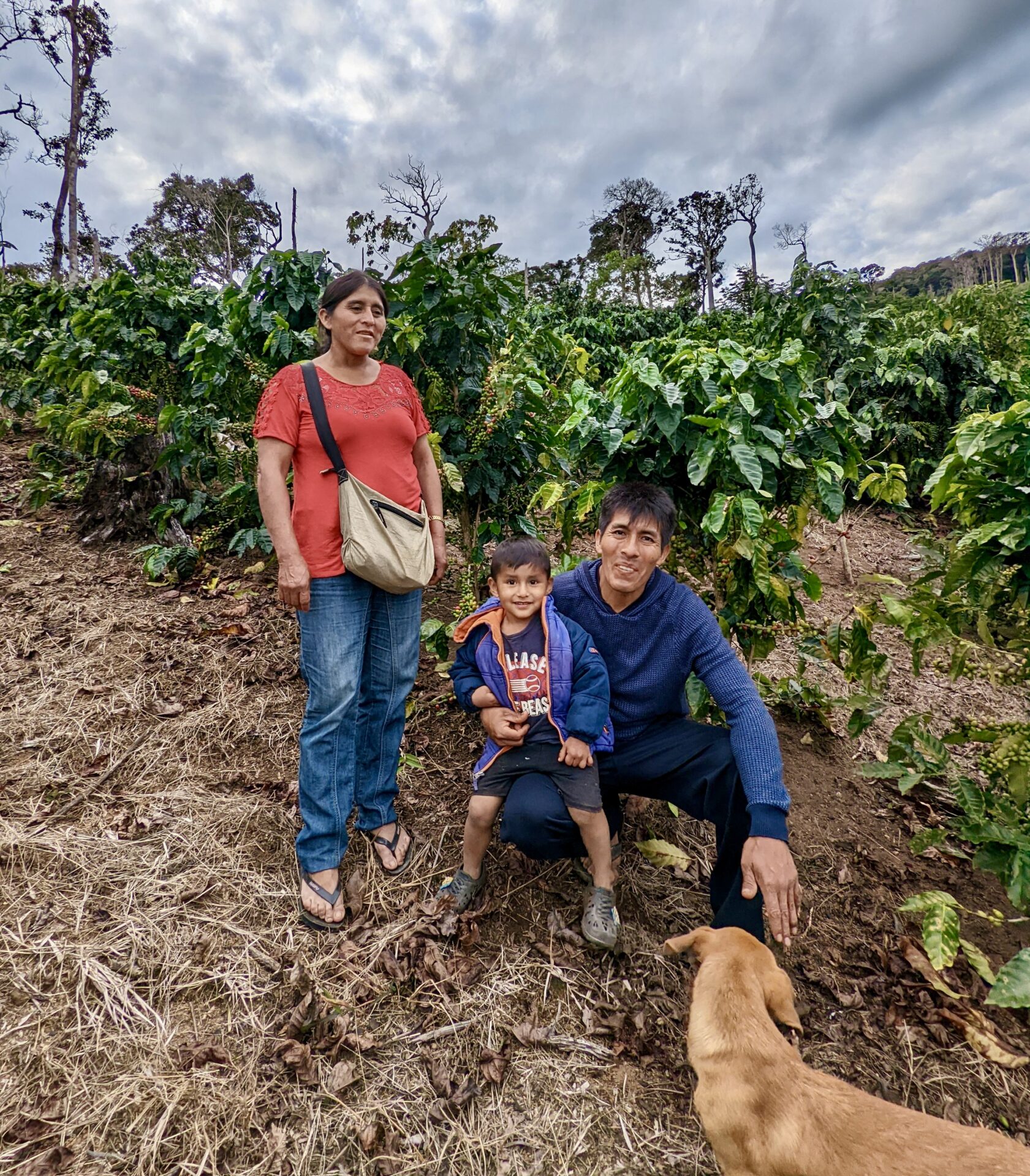
Three smallholder farms: Eduardo Tola, Andres Uluri, Gonzalo Mamani
Processing: Fully washed
Varietal: Caturra, Catuaí, Typica
Altitude: 1,300 – 1,500 Metres above sea level
In Bolivia the Coffee began to properly grow and produce in the mid-1900s.
This specific lot comes from three producers in Uchumachi, one of Bolivia’s oldest coffee-growing regions. In the 1950s and 1960s, sawmills came into this land and constructed roads that later assisted with agricultural production. Coffee production soon took off, reaching its peak in 1990 thanks to the efforts from USAID, which supported coffee development as a part of efforts to eradicate coca plantations. Through this initiative, farmers received essential resources to improve and maintain coffee production. Between 1990 and 2000, coffee producers in Uchumachi gained valuable experience and connected with international markets.
The exporting partner in Bolivia, Atoq began working with the Uchumachi producers in 2022. Through their work, they have helped get these producers recognized internationally in addition to setting up a roastery in Bolivia. Although the political unrest in 2008 led to some disruptions in the coffee sector, there has been a remarkable resurgence since 2019, driven primarily by rising local coffee consumption. This renewed interest in coffee production has been beneficial for all coffee-growing regions in Bolivia, attracting new generations of producers eager to revitalize the industry.
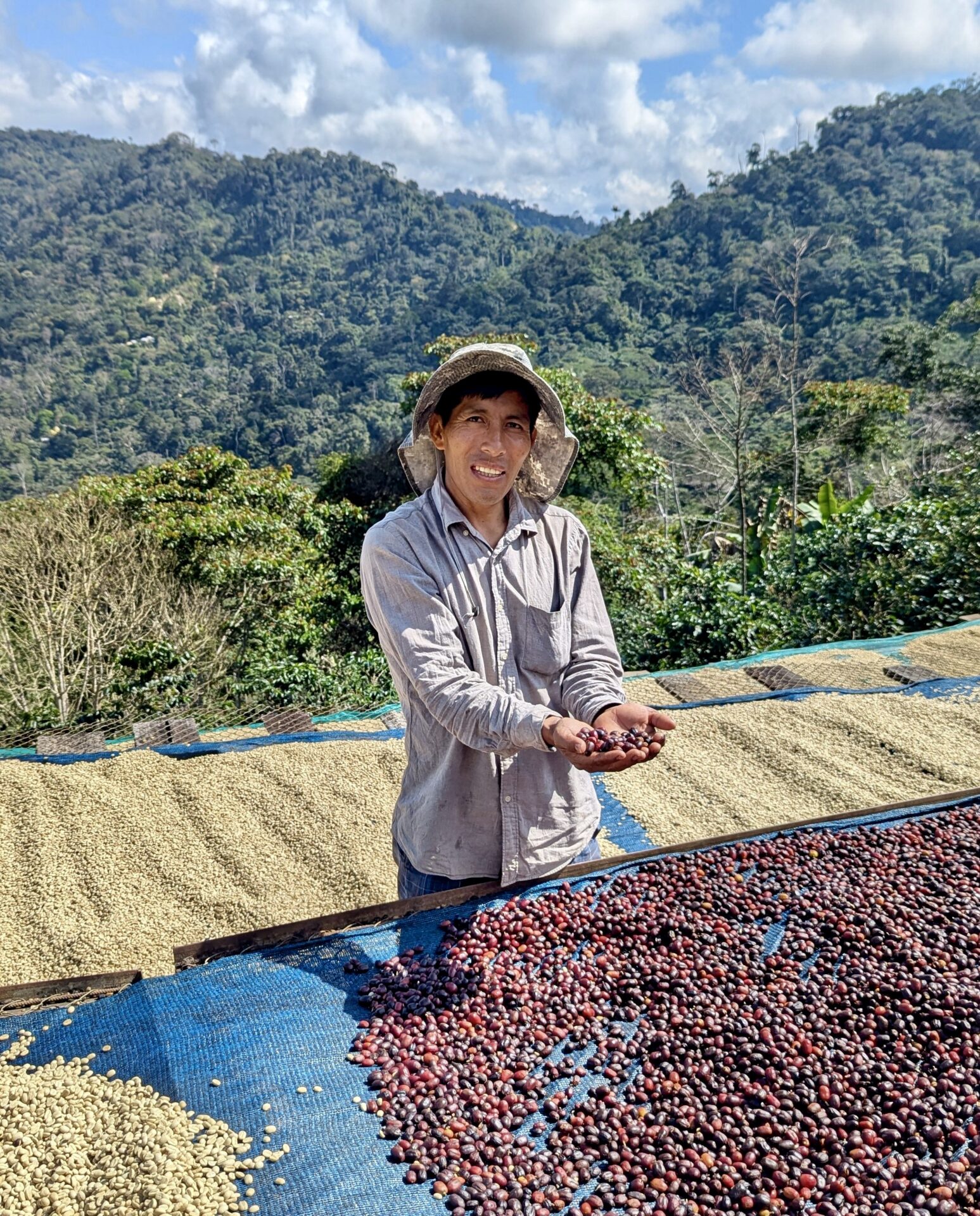
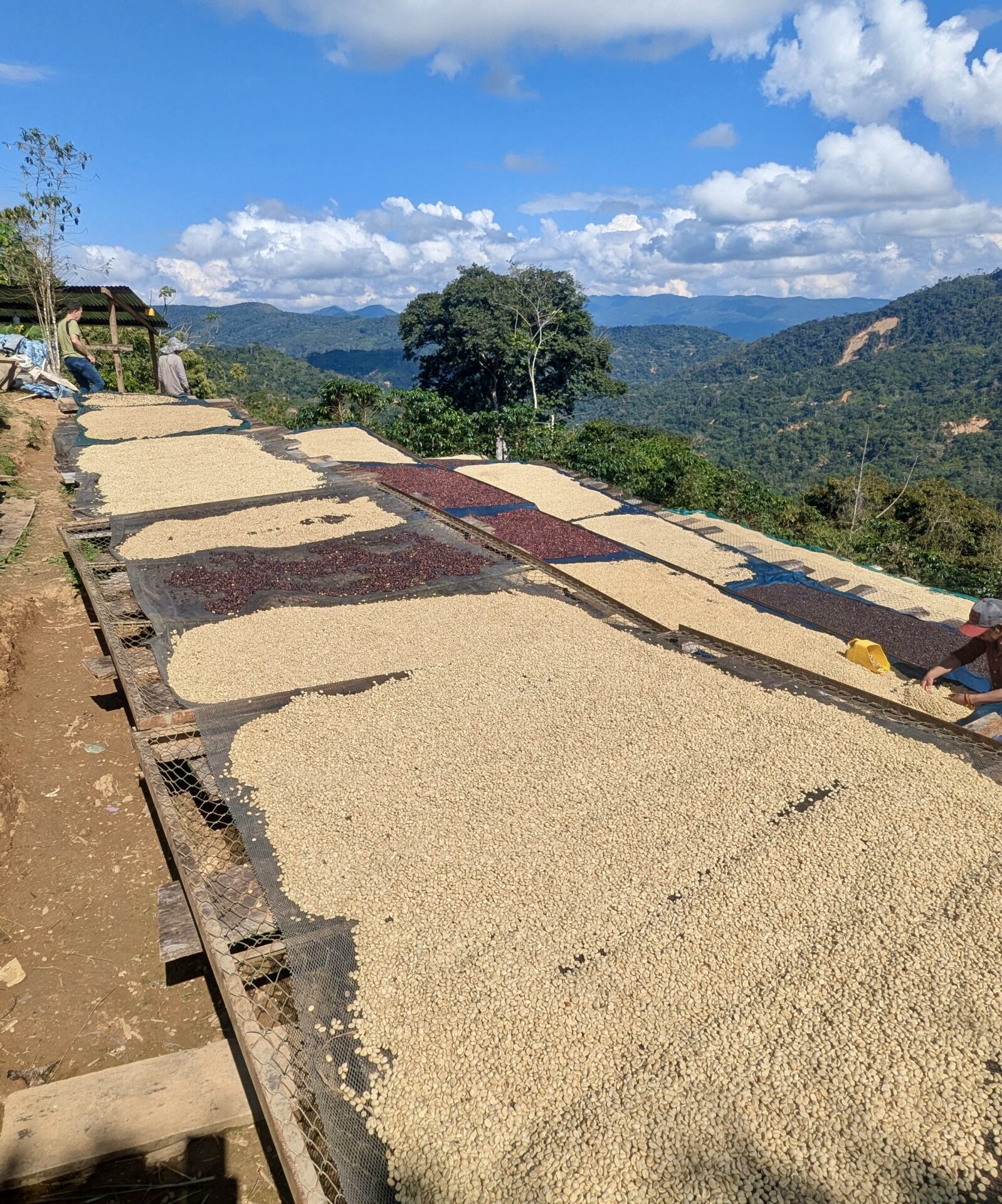
This lot is comprised of coffee from three producers in the region, made up of Caturra, Catuaí, and Typica. Each producer utilized the Fully Washed method to process their coffee. As soon as the coffee is carefully handpicked, the cherries are floated in water to remove any floaters. The cherries remain here for 6 – 8 hours before undergoing a second sorting occurring by hand. Next, the coffee is pulped via machine. Roughly 90% of farms here use the JM Estrada pulping machine with a selector small-scale models with a processing capacity of 300 to 450 kg per hour. Once the coffee is pulped, it enters a fermentation tank, where it ferments for 12 – 24 hours, depending on weather conditions. After fermentation, the coffee undergoes washing in the “canal de correteo”, where all mucilage is cleaned away. The coffee is then dispersed on patios to dry in the open sun for a couple of days. Once this initial drying process is completed, the coffee is transferred to raised beds covered with a tunnel-like structure made of agrofilm, to complete the drying process for an additional 2 – 3 weeks. The coffee is then transferred to the El Alto dry mill, located roughly 8 hours away from the farms, to be hulled and prepared for export.