
Kavutiri AA, Kenya
Kavutiri AA, Kenya
Complex, fruity, juicy and sweet with full of forest fruits notes such as blackcurrant and blackberry, and finishes with raspberry jam and brawn sugar sweetness, full body and bright acidity with a long aftertaste.
Roast level: medium roast.
It’s delicious in any brewing method
Price range: 552฿ through 3,480฿
Kavutiri, AA
Country: Kenya
Mill:Kavutiri Factory
Region: Embu County
Owner: 980 smallholder farmers
Processing: Fully Washed
Varietal: SL28, SL34, Ruiru 11 and Batian
Altitude: 1,700 Metres above sea level
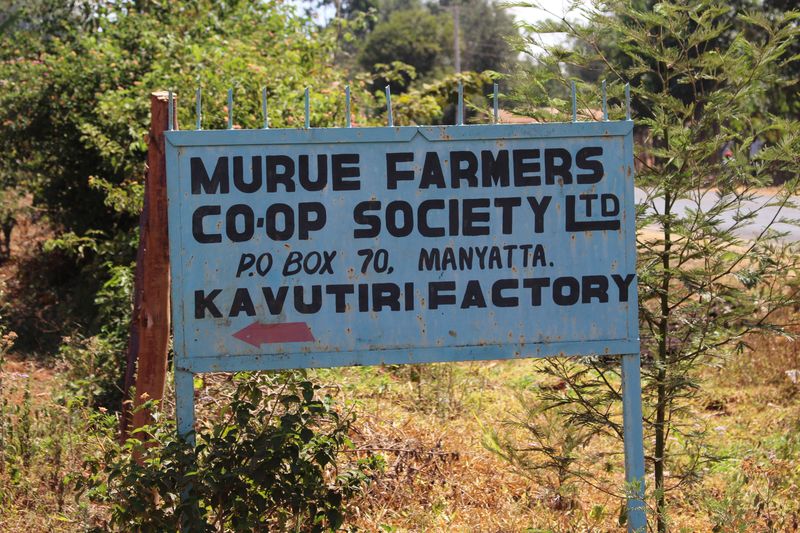
With nearly 700,000 coffee producers, roughly 70% of which are smallholder producers, Kenya shines as a unique coffee-producing country in East Africa. In the Gaturi North location, Kavutiri sub-location, Runyenjes division of Embu County is the Kavutiri Coffee Factory. The Factory opened in 1960s, when farmers were only allowed to plant 100 trees on their land. It was one of the first in the area, and now provide processing services to the 980 members of the Murue Farmers’ Cooperative Society (FCS) in the Kianjokoma, Runyenjes and Manyatta areas. The FCS acts as a cooperative, assisting producers with processing and market access in addition to financial and agricultural resources.
The soil here is rich and red, indicating plenty of volcanic materials ideal for coffee production. The temperature and rainfall are perfect to grow excellent quality coffee. Farmers will also typically grow other crops such as macadamia nuts, corn, beans, and bananas.
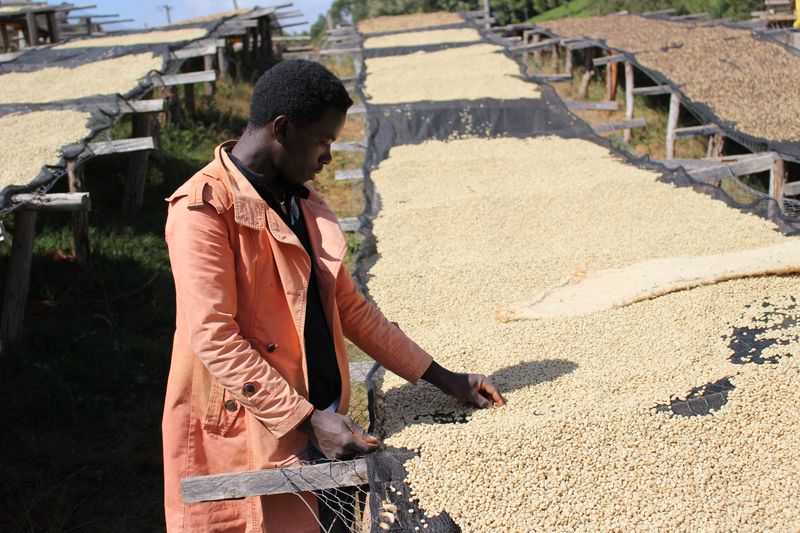
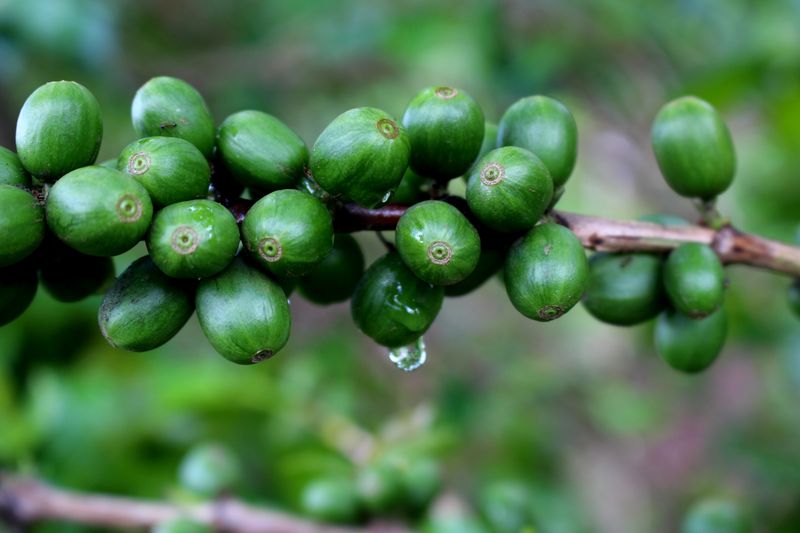
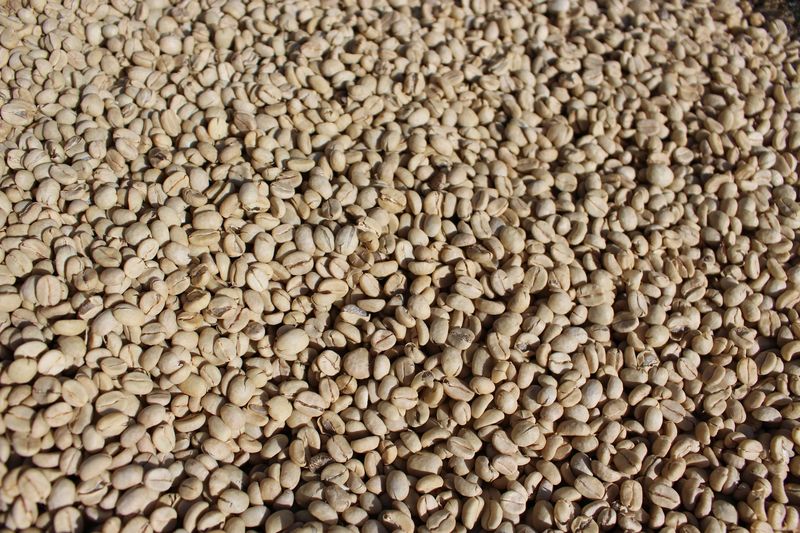
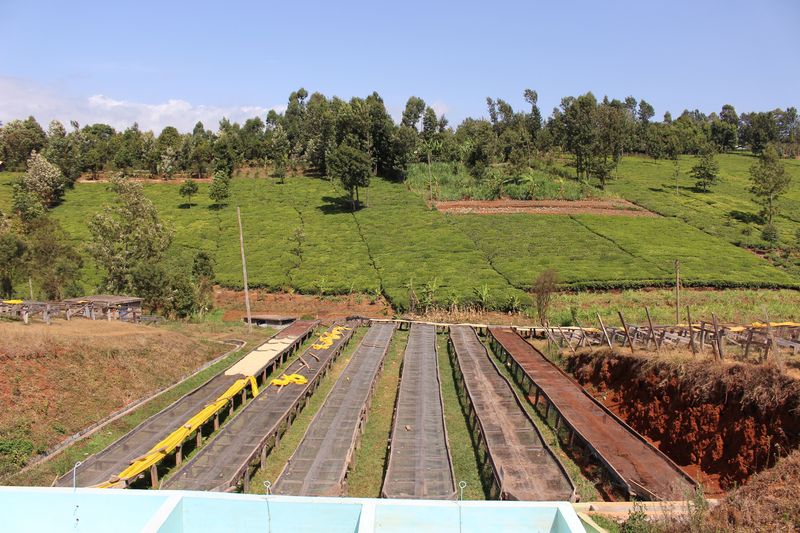
During the harvest, after producers carefully handpick and deliver the ripe cherries to the Factory, they are sorted and sent to be processed. The cherries are then de-pulped via machine to remove the external fruit from the seed. Next, the coffee is placed in tiled tanks to ferment overnight, breaking down the remaining sticky mucilage. The following morning, the coffee is cleaned, soaked, and washed through channels with water from the local Ene River one final time before being dispersed on raised beds to dry in the open sun until the ideal moisture content of 11% – 13% is reached. Wastewater used from processing is transferred to soak pits to safely seep back into the soil without harming natural water resources.